
How to choose the perfect engagement ring: a guide for a confident and smart purchase
2 February 2026
Most men choosing an engagement ring for the first time say the exact same thing: "I just don't want to make a mistake."
That is natural, because you are not choosing "just another piece of jewellery", but a symbol meant to last and be worn every day.
The good news is that the choice does not have to be stressful. Once you understand a few key aspects (certificate, the 4Cs, design and budget), the decision becomes calm and clear, without rush, myths or pressure.
In this guide:
- Why the approach matters more than the budget
- A jeweller you can trust
- Certificates (GIA, IGI, HRD)
- The 4Cs in brief (what you actually see)
- A design she will love
- Budget: where it makes sense to invest
- Natural vs lab-grown
- Ring size
- FAQ
Why the right approach matters more than a large budget
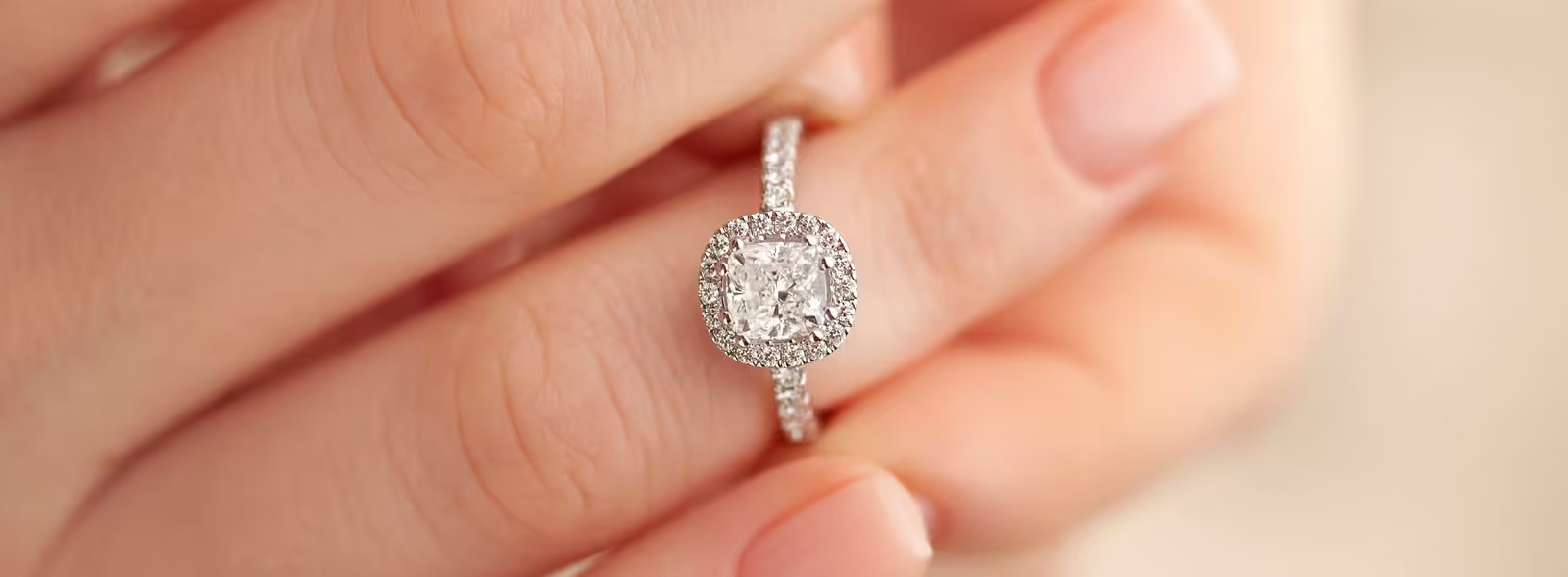
An engagement ring that makes an impression is not necessarily the one with the largest diamond, but the one that is chosen smartly. When the cut is excellent, the proportions good, and the design matches her style, the ring looks "more expensive" than it is.
Workshop tip:
Two diamonds of the same weight can look completely different. The difference lies mostly in the cut, which is the very factor that influences brilliance the most.
Key questions you should answer before buying
The process of selecting an engagement ring can be broken down into a few key areas. Each of them deserves attention, and understanding the full picture helps you make the right decision.
Choosing a trusted jeweller
Before looking at diamonds and design, the most important decision is: whom you trust with your purchase. The difference between an expert jeweller's and a regular jewellery retailer is immense, from diamond expertise to honest advice and support years after the purchase.
In practice, a "good jeweller" is not the one who insists on the most expensive option, but the one who can explain:
"This is a difference you can see, and this is a difference you do not need to pay for."
Read more: How to choose a trusted jeweller.
Certificates as a guarantee of quality
Certificates issued by internationally recognised laboratories such as GIA, IGI and HRD are the only objective proof of a diamond's quality. They define the stone's characteristics and allow a realistic comparison of offers.
Workshop tip:
If you cannot verify the certificate (number/QR code on the issuer's website), treat it as if it does not exist.
Read more: Diamond certificates: GIA, IGI, HRD.
Understanding diamond quality: the 4Cs rule
You do not need to become a gemmologist to buy a good diamond. However, it is important to know what actually impacts what is visible on the hand:
- Cut: has the greatest impact on brilliance
- Colour: can often be smartly optimised
- Clarity: it is essential that inclusions are not visible without magnification
- Carat (weight): size is important, but it is not the only factor
Read more: The 4Cs rule explained simply.
A design that suits her style
An engagement ring is not worn "occasionally", it becomes part of her daily life. Therefore, the design should be:
- comfortable to wear
- in keeping with the jewellery she already loves
- timeless
A subtle way to hit the right taste:
- whether she wears white or yellow gold
- whether she prefers minimalism or details
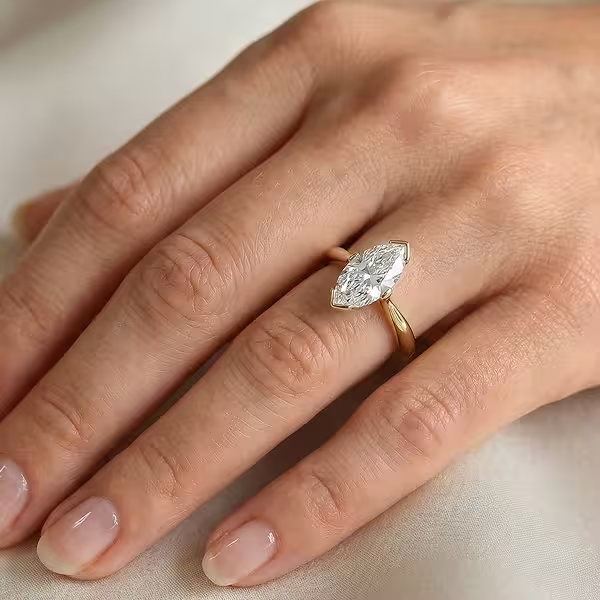
- which jewellery shapes she chooses (round, oval, geometric)
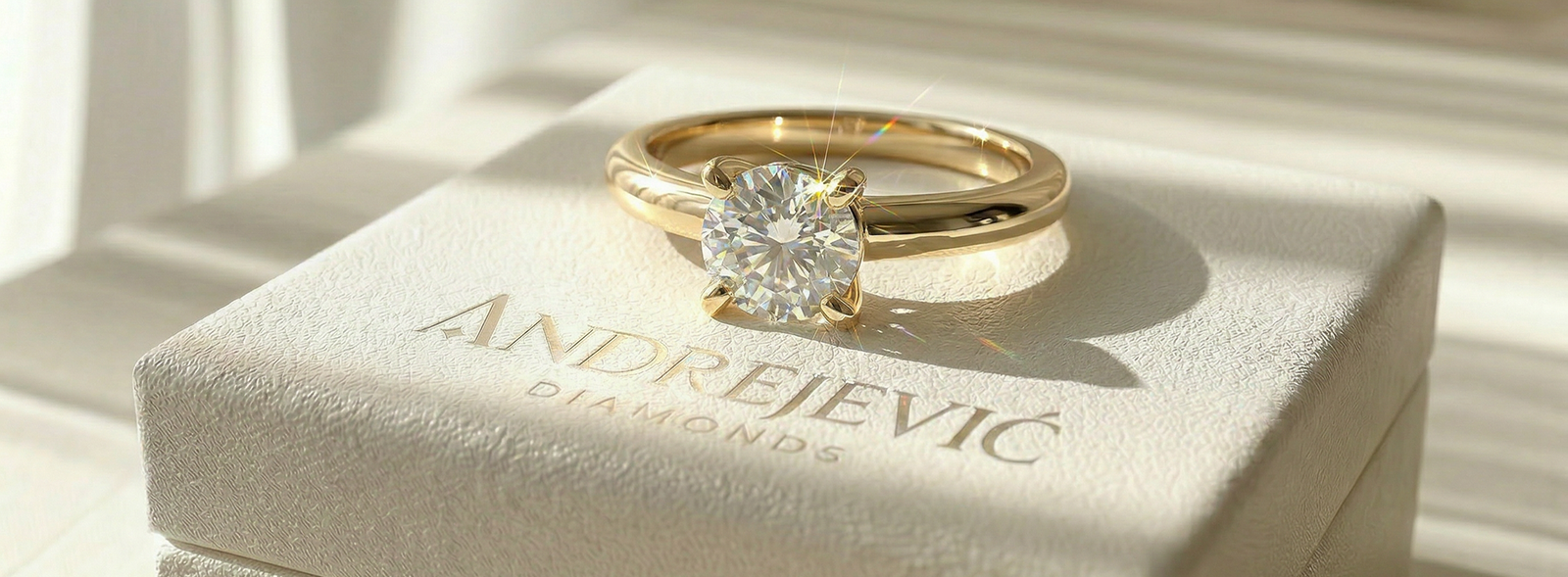
Read more: Engagement ring design, what she would love to wear.
Smart budget investment (without the three-month salary myth)
The “three-month salary” rule has long lacked any real basis. It is much more important how you invest your budget than how large it is.
Advice from the workshop:
If you have to choose where to “add extra”, in most cases it should be:
- cut,
- proportions,
- craftsmanship quality.
The rest can often be optimised without any visible compromise.
Read more: Price versus quality, how to invest your budget wisely.
Natural or lab-grown diamond
Today, this question deserves a calm, honest answer. Both options have advantages, but the difference is not merely technical. It lies in symbolism and long-term value as well. In 2025/2026, the natural diamond industry is stepping up global campaigns that emphasize the emotional and symbolic value of a natural diamond, making this question even more relevant when buying.
Read more: Natural and lab-grown diamonds, how to make a decision.
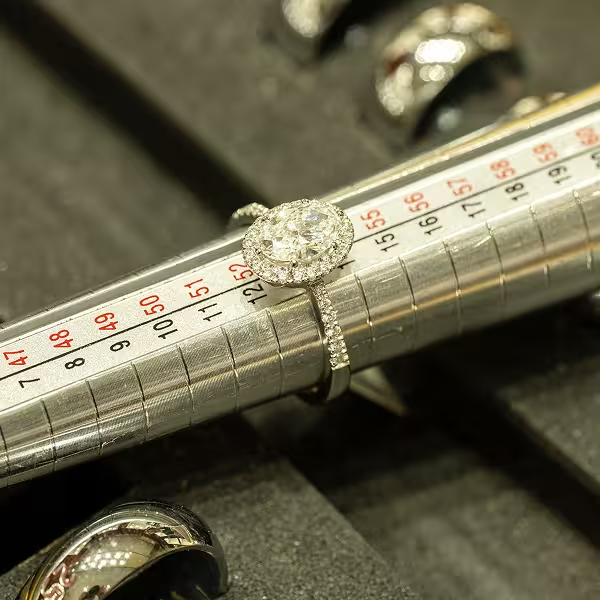
Ring size: less daunting than you think
Ring size is the most common “technical fear”, but in practice it is resolved more easily than it seems. There are discreet ways to find out the size, and a reputable jeweller's always provides resizing whenever possible.
Read more: How to choose the correct engagement ring size.
Before you make a decision, check these 5 things:
- Do you have a relevant certificate (GIA/IGI/HRD)?
- Is the cut a priority (not just the carat weight)?
- Does the design suit her style and everyday life?
- Is the budget invested where the difference is visible?
- Is there lifetime service, resizing and post-purchase support?
An engagement ring is not an impulse purchase: it is a process
The most common mistake is rushing. A ring bought under pressure rarely brings complete satisfaction. A good approach means giving yourself enough time for consultations, bespoke crafting and possible resizing, without anxiety and without compromise.
An engagement ring is a choice that lasts a lifetime
At Zlatara Andrejević, we believe every customer deserves expert advice without pressure and complete transparency. Three qualified GIA diamond and gemstone experts are at your disposal to make the process clear, safe and tailored to your needs.
If you are in two minds, a conversation is always a good first step.
No-obligation conversation with a jeweller
A short conversation often clarifies more than hours of research. In 10 minutes we can go through: certificate, the 4Cs, budget and style, and tell you what makes sense for your case.
Frequently asked questions about choosing an engagement ring (FAQ)
1. How do I choose an engagement ring if I don't know her taste?
The safest way is to start with the jewellery she already wears, paying attention to the metal and style. Rely on discreet questions asked through close friends or family. A classic design with a single central diamond is the safest choice when you are unsure, and details can be customised so that the ring remains personal and timeless.
2. What is more important: diamond size or quality?
Quality, especially the cut, has the greatest effect on sparkle and overall impression. A diamond with an excellent cut often looks more beautiful and visually larger than a bigger diamond with poorer proportions. The ideal is a balance of all 4C factors within a realistic budget.
3. Which metal is best for an engagement ring?
There is no universally best metal; the best one is the one that suits her style and how she wears her jewellery. White gold offers a contemporary look and highlights the diamond, yellow gold feels warmer and classic, whilst rose gold is the choice if you want something unique. Quality craftsmanship and finishing are also essential.
4. Does an engagement ring need to have a certificate?
For a diamond, a certificate from a renowned institution such as GIA, IGI or HRD is key because it confirms the 4C characteristics and transparency of quality. Without an independent certificate, it is difficult to objectively compare the value and price of a diamond.
5. How far in advance should I buy the ring before proposing?
Allow enough time to choose the right one calmly and without rushing. If you are ordering a bespoke ring with a custom design or waiting for a specific diamond, plan for two to four weeks. That way you can prepare the proposal smoothly and effortlessly.
6. Is it possible to have a bespoke ring made?
Yes. A bespoke ring allows the design and proportions to be adjusted to her hand and style. In practice, a small adjustment is often enough (band width, crown height, type of setting) so that the ring feels “as if it were hers” from day one.
7. What is the most common mistake when buying?
Rushing and focusing solely on the size of the diamond. In most cases, the cut quality and proportions create a bigger “wow” effect than the carat weight alone, and the wrong design can make the ring feel impractical for daily wear.
8. Which diamond shapes are currently most popular for engagement rings?
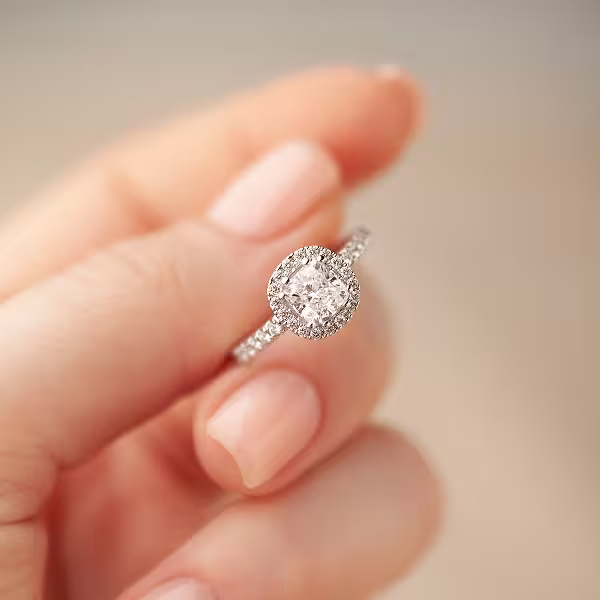
In recent years, Oval and Cushion cuts have taken over part of the audience from the classic Round Brilliant cut, especially among younger couples. An oval diamond visually elongates the finger and appears larger than a round one at the same carat weight. A Cushion cut brings a warmer, more romantic character. Round Brilliant remains the best-selling shape due to its maximum sparkle and timeless design, but if you are looking for something distinctive and contemporary, these two shapes are well worth considering. In any case, the shape should primarily suit her style and hand, not just current trends.
Text prepared by:
- Aleksandar Andrejević, GIA GG diploma, qualified expert in diamonds and coloured gemstones, 16 years of experience in jewellery design and crafting
- Kosta Andrejević, GIA Diamonds diploma, 50 years of experience in crafting and designing exclusive jewellery
- Andreja Andrejević, GIA GG diploma, qualified expert in diamonds and coloured gemstones, 18 years of experience in fine diamond setting