

Lab-grown diamonds
What are lab-grown diamonds
Lab-grown diamonds are real diamonds created under controlled conditions using advanced technological processes that mimic natural diamond formation.
Unlike imitations such as cubic zirconia or moissanite, lab-grown diamonds have:
- the same chemical structure (pure carbon)
- the same hardness (10 on the Mohs scale)
- the same brilliance and optical characteristics
Because of this, a lab-grown diamond cannot be distinguished from a natural diamond with the naked eye.
How lab-grown diamonds are created
Lab-grown diamonds are created using two main methods:
HPHT (High Pressure High Temperature)
A process simulating the natural conditions of diamond formation under high pressure and high temperature.
CVD (Chemical Vapor Deposition)
A more modern method allowing the diamond to grow layer by layer with a high degree of quality control.
Both methods result in diamonds that meet international quality standards.

The difference between natural and lab-grown diamonds
The main difference between natural and lab-grown diamonds lies in their origin.
Natural diamonds:
- form over millions of years in nature
- are rare
- are traditionally associated with long-term value
Lab-grown diamonds:
- are created under controlled conditions
- are more accessible in larger sizes
- allow for greater flexibility within your budget
In appearance, hardness and brilliance, the difference is not visible without specialised equipment.
Who lab-grown diamonds are intended for
Lab-grown diamonds are a choice for customers who:
- want a larger diamond within a specific budget
- seek a modern approach to selecting jewellery
- want an alternative to natural diamonds
- focus on the appearance and brilliance of the stone
The choice between a natural and a lab-grown diamond depends on personal priorities, values and expectations.

Luminore Diamonds collection
For customers considering engagement rings or jewellery with lab-grown diamonds, Zlatara Andrejević has developed a special collection: Luminore Diamonds.
Luminore represents a modern approach to diamonds, where contemporary technology and exquisite craftsmanship merge into a collection of carefully designed jewellery.
Every piece from the Luminore collection is crafted with the support and expertise of the Zlatara Andrejević team, featuring carefully selected diamonds and a high standard of finishing.
View the Luminore Diamonds collection
Expertise and confidence in your choice
Whether you choose a natural or a lab-grown diamond, the most important factor remains stone quality and expertise during selection.
At Zlatara Andrejević, customers have access to a team of graduate GIA diamond experts who help you understand the stone's characteristics and choose a ring that suits your desires and budget.
This approach ensures security, transparency and trust throughout the buying process.
Frequently asked questions about lab-grown diamonds
1. Are lab-grown diamonds real diamonds?
Yes, lab-grown diamonds are real diamonds with the same chemical and physical characteristics as natural ones.
2. What are Lab Grown diamonds?
Lab Grown diamond is the international term for a lab-grown diamond.
3. Can you tell the difference between a natural and a lab-grown diamond?
No, the difference is not visible to the naked eye. It can only be determined using specialised equipment.
4. Do lab-grown diamonds come with a certificate?
Yes, lab-grown diamonds can come with certificates from renowned gemological laboratories such as IGI or GIA.
5. Are lab-grown diamonds a good choice for an engagement ring?
They can be a great choice for customers who want a larger diamond within their budget or prefer a modern approach to diamonds.
Explore natural diamonds as well
If you wish to explore the traditional choice and discover our selection of natural diamonds, view our collection of engagement and diamond rings.
Find out more about diamonds
For a more detailed understanding of diamond quality, we recommend the following guides:
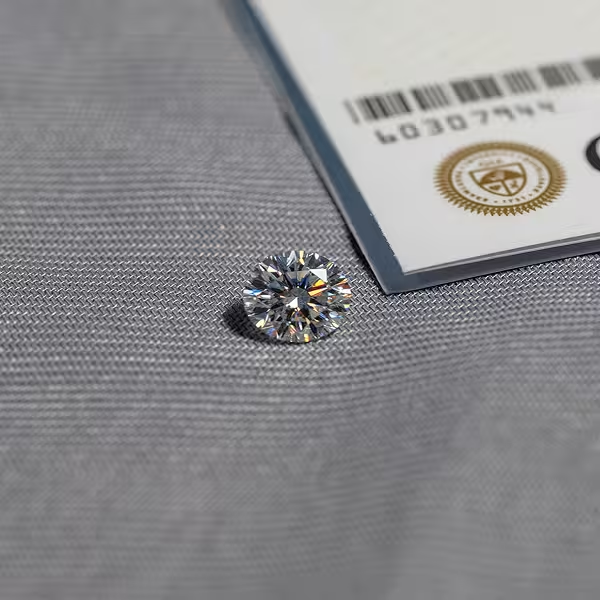
Diamond 4Cs - a guide to diamond quality
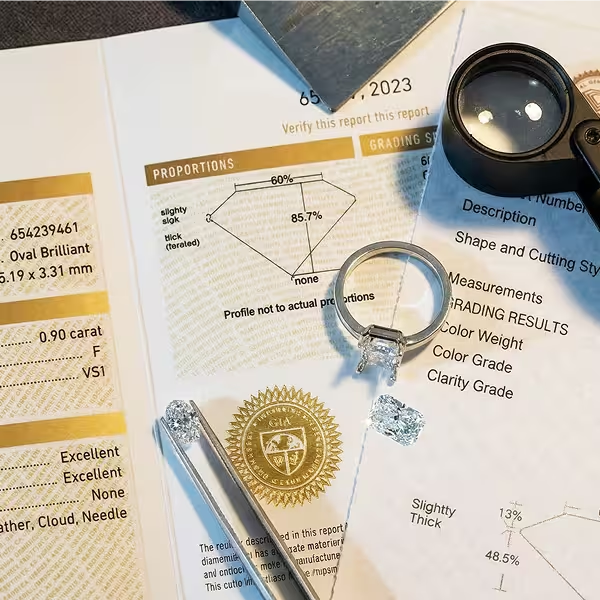
Diamond certificates - GIA, IGI and HRD