
How to choose a jeweller you can trust
6 March 2026
Buying an engagement ring rarely begins with a question about the diamond. In practice, the first question most men ask is much simpler:
“How do I know who I can trust?”
That is understandable. When you buy a ring that symbolises one of the most important moments in life, you want the confidence that your decision is correct, not only aesthetically, but also in terms of quality, value and the long-term support offered by the jeweller.
According to luxury market research, trust in product quality and transparency of information play a key role when making decisions about purchasing luxury items, including jewellery.
Source: Bain & Company: Luxury market insights
This is precisely why the choice of jewellery house often has a greater impact on overall satisfaction than the ring design itself.
A jeweller or a jewellery seller: a difference not always obvious at first glance
There are two completely different approaches on the market.
One is jewellery retail: where the focus is on selling finished products.
The other is a jeweller's workshop: where expertise in materials, ring construction and diamond quality plays a crucial role.
In practice, the difference shows in how someone explains the piece to you. A salesperson will usually talk about price and appearance. An experienced jeweller speaks about proportions, construction and long-term wear.
Advice from the workshop
Buyers often think that selecting the largest possible diamond is key. In reality, how the stone is cut and how the ring is constructed are far more important.
Gemological institutions such as the Gemological Institute of America (GIA) emphasise that the cut quality of a diamond has a decisive impact on its brilliance and light reflection.
Source: Gemological Institute of America: Diamond Cut Guide.
Two rings with the same diamond carat weight can look entirely different, precisely because of these details.
Transparency as the foundation of trust
A jewellery house that operates with a long-term view has no reason to withhold information. Good signs are when a jeweller speaks openly about:
- diamond origin
- certification (GIA, IGI, HRD)
- the advantages and limitations of different options
- the real differences between models
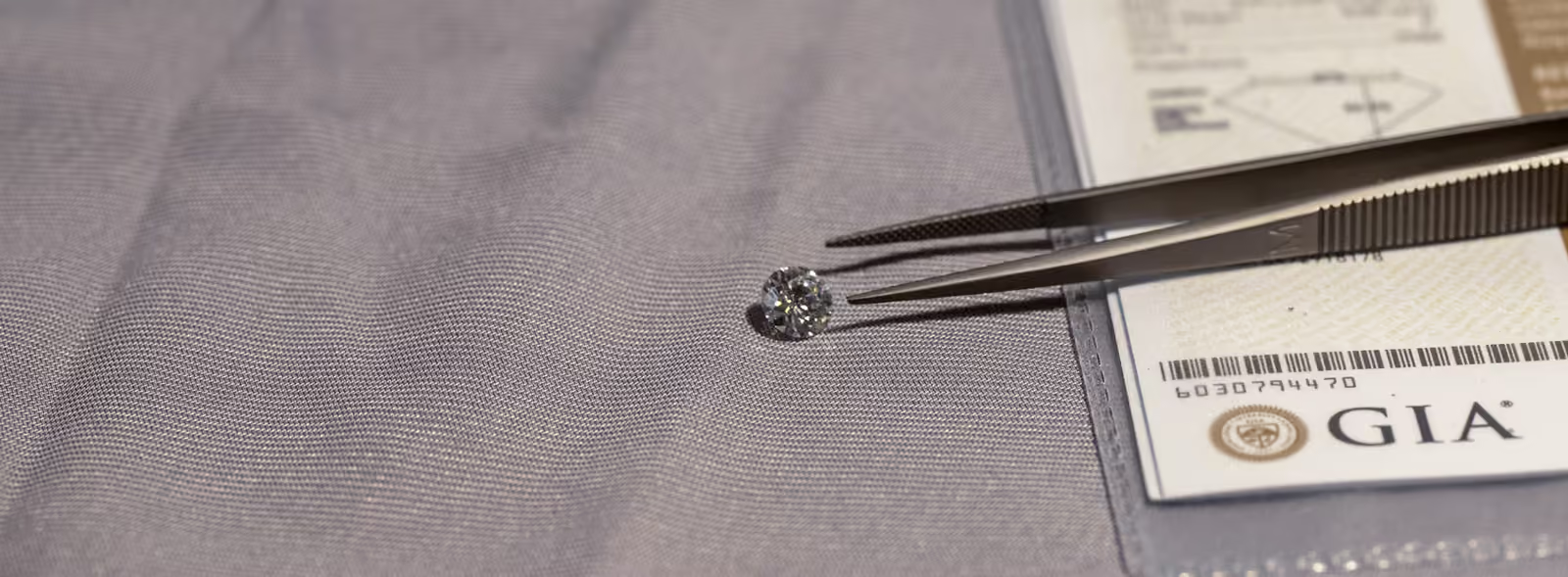
If the answers are vague or questions are avoided, it is a signal to pause and reflect. Choosing an engagement ring should never be a rushed process.
Diamond certificate as the primary guarantee
One of the most essential elements of trust is a diamond certificate. Reputable certificates come from international institutions such as:
These documents define the diamond's characteristics and allow for an objective comparison of quality. Without such a certificate, a buyer must rely largely on the salesperson's word alone.
You can read more on this topic in our guide:
Diamond certificates: GIA, IGI and HRD.
Experience and expertise
In the world of diamonds, expertise is acquired not only through practice, but also through formal education. Gemological institutions such as the GIA set the global standards for diamond evaluation.
When a jewellery house employs specialists with relevant qualifications and years of experience, you gain added assurance that advice is grounded in expertise rather than sales pressure.
Long-term support after purchase
An engagement ring is a piece of jewellery intended for daily wear. Over the years, it may require:
- resizing
- professional cleaning
- stone setting inspection
- routine maintenance
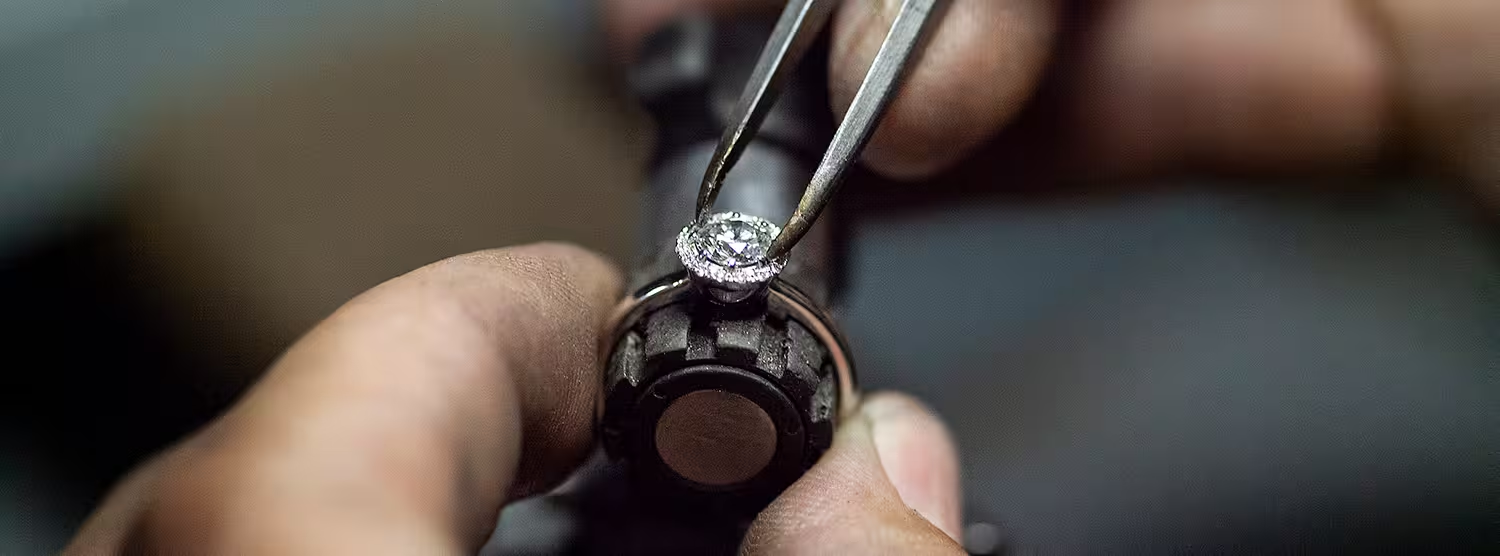
A jewellery house with a long-term perspective views the purchase of a ring as the beginning of a relationship, not the end of a transaction.
According to recommendations from trade bodies such as Jewelers of America, diamond rings should be inspected by a specialist every 12 to 24 months to ensure stone security and long-term wearability.
Source: Jewelers of America: Jewelry Care Guide.
This is often the clearest indicator of trust.
How to identify a jeweller you can trust
In practice, several indicators speak volumes:
- an open explanation of differences between diamonds
- a clear origin and certificate for the stone
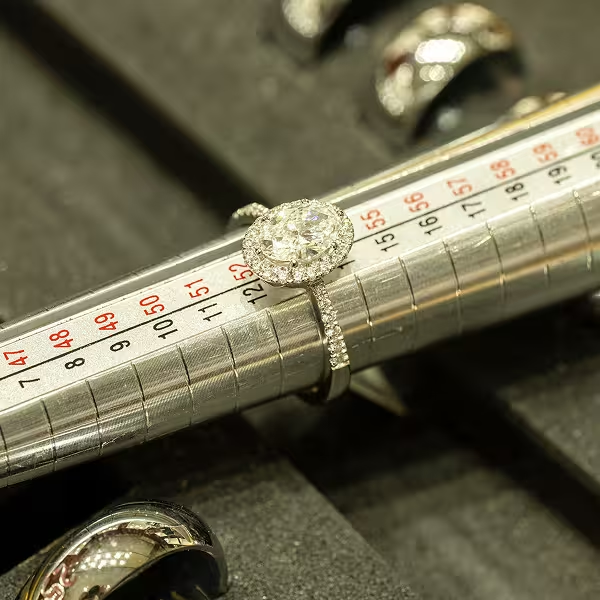
- the option for bespoke design or ring modifications
- after-sales service and ongoing support
- a conversation free from pressure
When all these elements come together, the buying process becomes much simpler.
Choosing an engagement ring is a process, not a single moment
The best decision is rarely made in a hurry.
A good jeweller will guide you through the process, explain the differences, help you evaluate priorities and give you ample time to decide.
This approach most reliably leads to a ring that will be worn with joy for years to come.

Explore the engagement ring collection
Consultation with a jeweller: no obligation
If you have questions regarding diamonds, certification or ring design, a conversation with a specialist often resolves doubts much faster than researching alone.
At Zlatara Andrejević, three graduate GIA diamond and gemstone specialists are at your disposal to guide you through all options together, without pressure or obligation to buy.
No pressure. No sales pitch. Just clear answers.
Text prepared by:
- Aleksandar Andrejević, GIA GG diploma, qualified expert in diamonds and coloured gemstones, 16 years of experience in jewellery design and crafting
- Kosta Andrejević, GIA Graduate Diamonds, 50 years of experience in crafting and designing exclusive jewellery
- Andreja Andrejević, GIA GG diploma, qualified expert in diamonds and coloured gemstones, 18 years of experience in fine diamond setting
FAQ: Frequently asked questions about choosing a jeweller
1. Is it better to buy a ring from a high-street chain or a jeweller's workshop?
Both have their advantages, but a workshop often offers more flexibility, knowledge of ring construction, and options for customization.
2. Is it possible to have a bespoke engagement ring made?
Yes. In many cases, minor design adjustments help the ring better suit the wearer's hand and style.
3. How long does it take to make a bespoke engagement ring?
Making a bespoke ring usually takes from a few days to a few weeks, depending on the complexity of the design and the availability of the stone.
4. Can an engagement ring be resized?
In most cases, a ring can be resized after purchase. A professional jeweller can carry out ring resizing without affecting the quality of the ring.
5. What does a diamond certificate mean?
A diamond certificate is a document that describes the characteristics of the stone, including carat weight, colour, clarity, and cut. Based on these details, it is possible to objectively compare the quality of different diamonds.
6. Do all diamonds come with a certificate?
No, but it is preferable that they have a certificate issued by an independent gemmological laboratory. The most famous institutions that issue certificates are GIA, IGI, and HRD Antwerp.
7. How do I know if a diamond certificate is authentic?
Every certificate has a unique number that can be verified on the website of the issuing institution.
8. Is a larger diamond always the better choice?
Not necessarily. The quality of a diamond's cut has a major impact on its brilliance and appearance. Two diamonds of the same size can look completely different depending on how they are cut.
If you are just starting your research, we recommend reading the main guide first:
How to choose the perfect engagement ring
This guide explains all key steps, from diamonds and certificates to design and budget.