
Natural and lab-grown diamonds: how to make the right decision
14 March 2026
One of the questions that has been asked more and more frequently when buying an engagement ring in recent years is:
Should you choose a natural or a lab-grown diamond?
Modern technology has enabled the production of diamonds under laboratory conditions, opening up a new option for buyers. According to data from Statista, lab-grown diamonds currently account for around 21% of the global diamond market, representing significant growth compared to just a few per cent a decade ago. Although both types of stone share the same chemical composition, there are differences between them that are important to understand before making a decision.
If you are exploring engagement rings for the first time, we recommend starting with our guide: How to Choose an Engagement Ring.
What is a natural diamond
Natural diamonds form deep within the Earth's mantle, at depths of 150 to 250 kilometres, under temperatures between 900 and 1,300°C and pressures up to 50,000 times greater than atmospheric pressure. According to data from the Gemological Institute of America (GIA), most natural diamonds were formed 1 to 3.5 billion years ago. It is precisely this origin that makes them one of the rarest and most enduring natural materials.
Due to their long formation process and limited availability, natural diamonds have been linked with the symbolism of permanence and eternity for centuries. This is why they remain the traditional choice for engagement rings to this day.
Source: GIA: How Do Diamonds Form

What is a lab-grown diamond
A lab-grown diamond is created in controlled conditions using modern technology that simulates the natural process of stone formation. In practice, two main production methods are used: HPHT (High Pressure High Temperature) and CVD (Chemical Vapor Deposition), which allow the diamond crystal structure to grow in a laboratory.
Chemically and physically, a lab-grown diamond shares the same essential properties as a natural diamond, an identical chemical composition (pure crystalline carbon) and the same hardness on the Mohs scale (10/10).
However, its creation is a technological process that takes place within a relatively short timeframe.
Because of this, lab-grown diamonds are usually available at a lower price compared to natural ones.
Sources:
IGI , Lab-Grown Diamonds
IGS - Understanding Mohs Hardness Scale
Is a lab-grown diamond a real diamond
One of the most common questions buyers ask is whether a lab-grown diamond is truly a "real" diamond.
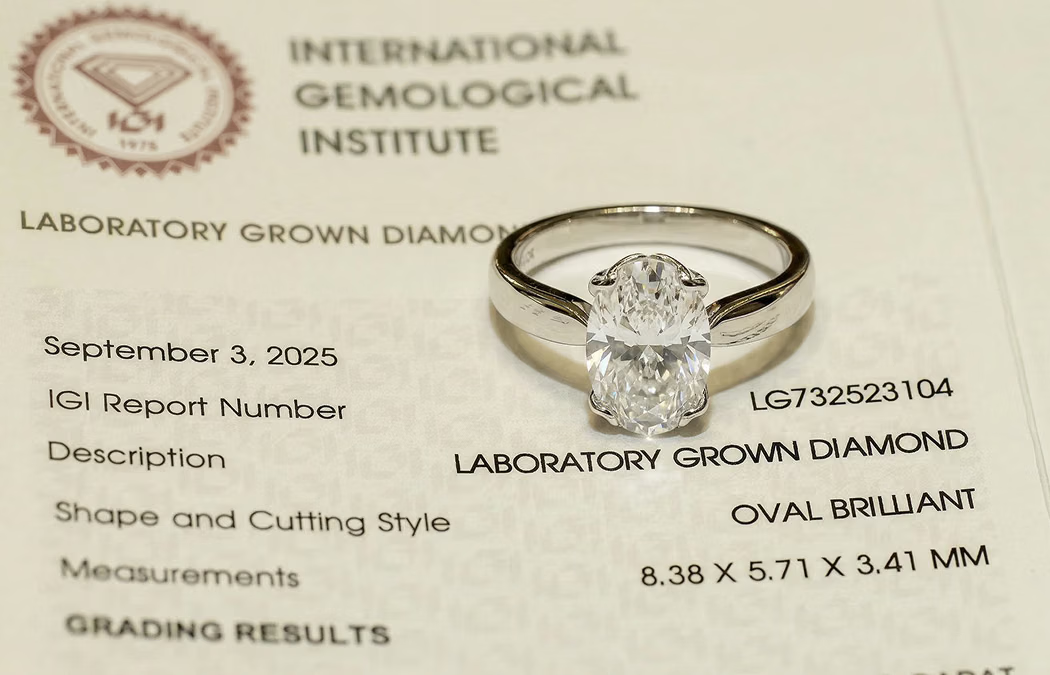
From a gemological perspective, the answer is yes. Lab-grown diamonds share the same chemical composition and crystal structure as natural diamonds. IGI states that lab-grown diamonds are physically, optically and chemically identical to natural diamonds formed in the Earth.
The difference lies not in the material, but in the origin. Natural diamonds form deep within the Earth over billions of years, whereas lab-grown diamonds are created in controlled conditions using modern technology.
It is precisely because of this difference that many buyers make their decision based on the personal value they place on the stone's natural origin.
Source: IGI : Lab-Grown Diamonds
Key differences between natural and lab-grown diamonds
Although they may look identical at first glance, differences between these two types of diamonds exist across several important aspects.
Category
Natural diamond
Lab-grown diamond
Origin
Formed in nature, deep within the Earth
Produced in controlled conditions (HPHT or CVD method)
Formation time
Billions of years
A few weeks
Chemical composition
Identical: pure crystalline carbon (C), hardness 10/10 on the Mohs scale
Availability
Limited natural resource
Can be produced in larger quantities
Price
Higher market value
Usually more affordable price
Long-term value
More stable value due to rarity
Market value less predictable
How the quality of both diamond types is assessed
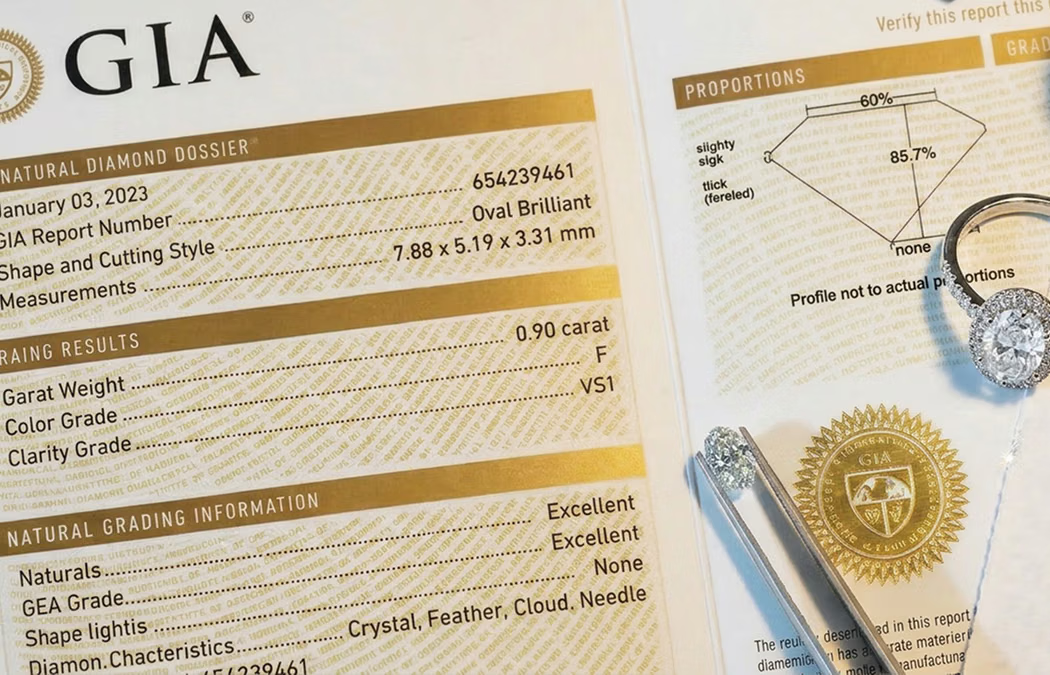
Regardless of origin, diamond quality is assessed using the same criteria.
This is known as the 4Cs rule, which includes:
- weight (carat)
- cut (cut)
- colour (colour)
- clarity (clarity)
If you would like to understand in more detail how stone quality is assessed, view the guide: The 4Cs of diamonds.
How to decide which diamond is the right choice
The choice between a natural and a lab-grown diamond often depends on the buyer's priorities.
Some buyers prefer a natural diamond for its symbolism and long-lasting value. Others consider a lab-grown diamond a rational choice as it allows for a larger stone within the same budget.
In practice, the best decision is the one that matches your expectations, budget and personal values.
If you want to better understand how budget affects the choice of ring, read the guide: Price versus quality of an engagement ring.
Advice from the jeweller
Buyers sometimes arrive with a preconceived idea about one option or the other. However, once they see different diamonds in person and understand their characteristics, the decision often becomes much simpler.
Speaking with an expert can help you weigh all the advantages and differences without pressure or marketing.
View the selection of engagement rings with natural diamonds at Zlatara Andrejević:
View the Luminore engagement rings collection with lab-grown diamonds:
What she would love to receive
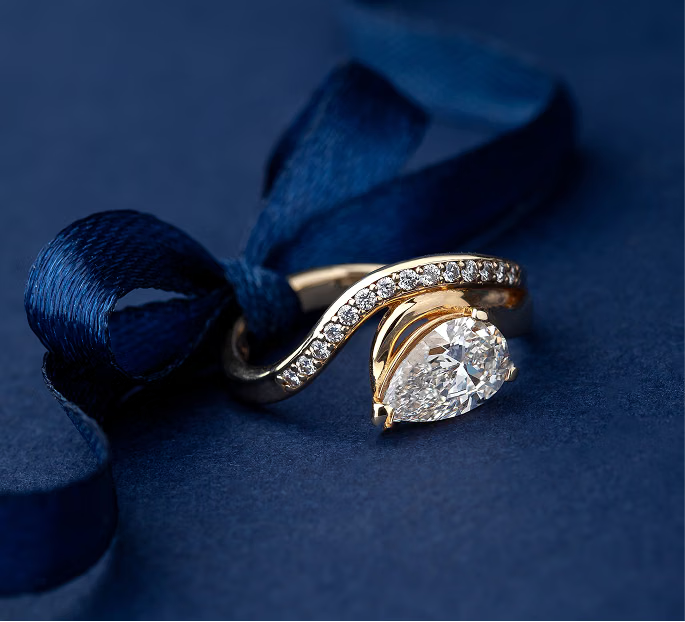
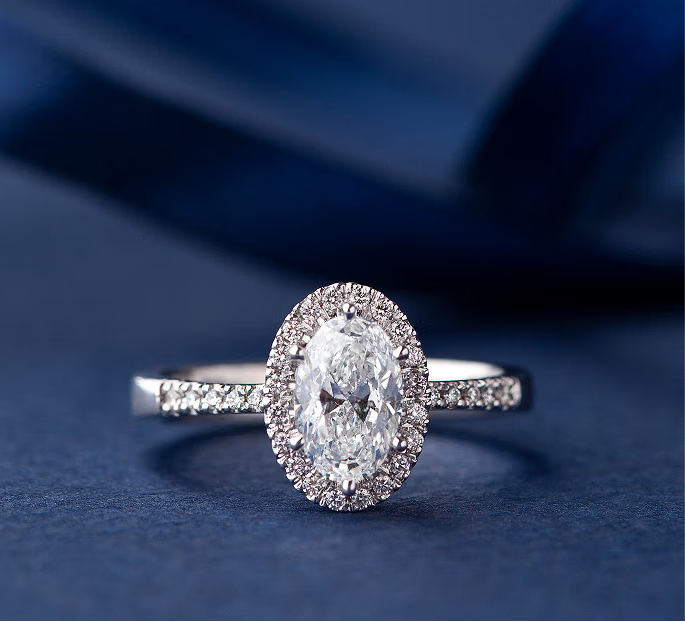
When discussing natural and lab-grown diamonds, the conversation often stays on technical or financial differences. However, an engagement ring is above all a symbol of emotion and a moment to be remembered for a lifetime.
That is why it is sometimes helpful to ask one simple question: what would she love to receive?
For some women, the fact that a diamond was formed deep within the Earth over millions of years holds special meaning. That idea of natural origin and rarity carries strong symbolism of permanence and eternal love.
For others, it is more important that the ring is aesthetically perfect or allows for a larger stone within a specific budget.
There is no universal rule. The right choice is the one that best suits the person who will wear that ring every day. Regardless of the diamond's origin, stone quality and brilliance are still assessed according to the same criteria, the well-known 4Cs standard.
If you would like to understand other factors influencing the choice of a ring, view the guide: Engagement ring design: what she would love to wear.
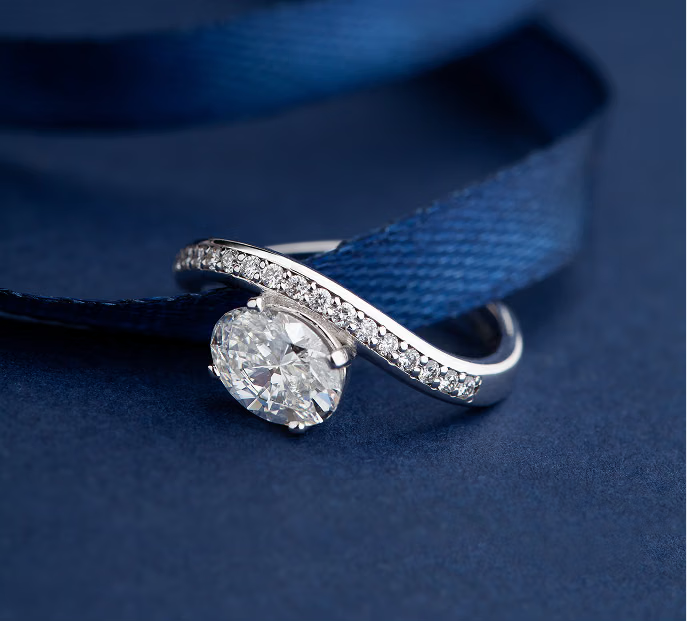
The next step when choosing an engagement ring
Whether you are considering a natural or a lab-grown diamond, several factors remain equally important:
- stone quality
- the design of the ring
- budget
- finger size
If you want to find out how to discreetly determine ring size, view the guide: How to choose a ring size.
A conversation with an expert often brings confidence
If you are unsure which diamond to choose, speak with an expert. Buying an engagement ring is an important decision, and it is completely normal to have questions.
At Zlatara Andrejević, three graduate GIA diamond and gemstone experts help customers understand the differences between diamonds and find a ring that matches their wishes.
FAQ: Natural and lab-grown diamonds
1. Are lab-grown diamonds real diamonds?
Yes. Chemically and physically, they have the same essential properties as natural diamonds.
2. What is the main difference between a natural and a lab-grown diamond?
The main difference is origin: natural diamonds are formed within the Earth over billions of years, while lab-grown diamonds are produced using technology.
3. Do lab-grown diamonds come with a certificate?
Yes, lab-grown diamonds can also have a certificate from gemmological institutes that assess their characteristics.
4. Which diamond is a better choice for an engagement ring?
There is no universally best choice. The decision depends on the buyer's priorities, budget and the symbolism the ring should carry.
5. Can you see the difference between these two diamonds with the naked eye?
In most cases, the difference is not visible without specialized equipment and laboratory analysis.
Text prepared by:
- Andreja Andrejević, GIA GG diploma, qualified expert in diamonds and coloured gemstones, 18 years of experience in fine diamond setting
- Aleksandar Andrejević, GIA GG diploma, qualified expert in diamonds and coloured gemstones, 16 years of experience in jewellery design and crafting
- Kosta Andrejević, GIA Diamonds diploma, 50 years of experience in crafting and designing exclusive jewellery