
Gemstone symbolism
23 August 2022
Have you ever wondered what messages and meanings your favorite gemstones hold? Throughout history, people believed in the power of crystals, precious and semi-precious stones, often wearing specific jewellery to protect or improve their health. Gemstones have always been far more than mere decoration, which is why brooches, bracelets, earrings, rings and necklaces were given to protect the wearer. If you are drawn to the symbolism of gemstones and would like to learn more about the deeper meaning of your favourite stone, we have prepared an intriguing article.
Diamond
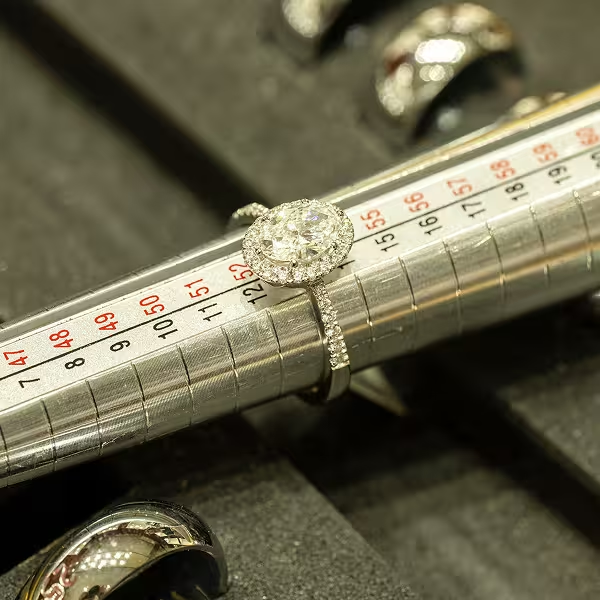
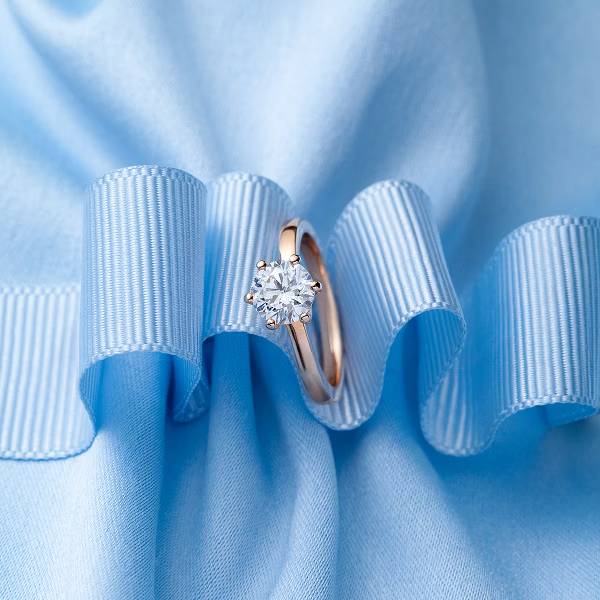
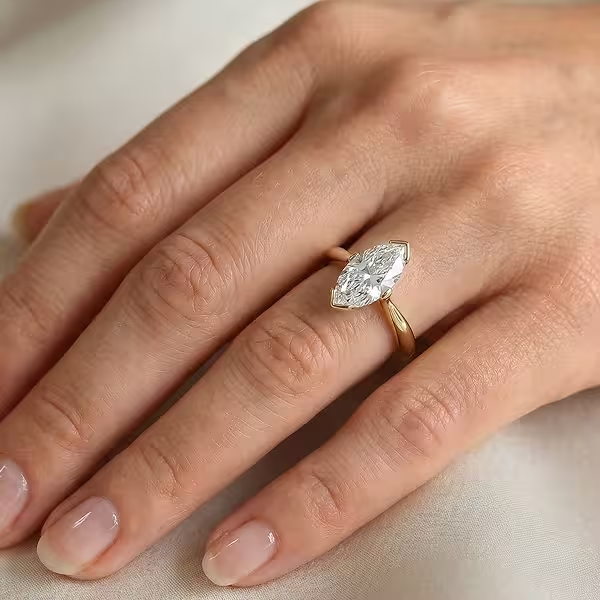
The king among gemstones, the diamond is famous not only for its beauty, but also for its strength. It is deeply believed that a diamond transfers its unconcealed brilliance and hidden power to the person wearing it. In ancient Greece and Rome, diamonds were believed to be tears of the gods or pieces of stars that had fallen to earth, whilst ancient Hindus set diamonds into the eyes of sacred statues. People wore diamond jewellery during periods when they needed extra inner strength to face challenges, and today in museums one can see royal armour richly decorated with diamonds, crafted to be worn into battle. It was somewhat natural that, out of a desire to offer protection to the wearer, diamond rings began to be given for engagements. Over time, the message conveyed by this gemstone has changed, so today the diamond is a powerful symbol of great love.
Sapphire
The colour blue was considered the colour of fidelity for a very long time, making the sapphire the most popular gemstone in engagement rings until the early 20th century, when that title was taken over by the diamond. Sapphires are gemstones favoured by members of many royal families and high society, and alongside kings and queens, the aristocracy also wore them with delight. It is believed that sapphires bring abundance and good fortune, as well as helping a person to reach spiritual heights and preserve purity of spirit. These very beliefs contributed to sapphires being worn by individuals embarking on a long journey of spiritual searching. Jewellery with sapphires is also frequently given to children, as it is thought that these gems will protect childhood innocence and goodness.
Topaz
Best known as the birthstone for those born in November, topaz symbolises devotion, but it was also said to help its wearer develop intellectual abilities. Ancient Greeks believed that topaz imparted strength, whilst during the Renaissance in Europe, people believed that topaz could break spells and calm the anger of its wearer. In India, on the other hand, there was a belief that topaz could grant long life and beauty to the wearer, so necklaces and brooches with this gemstone were worn just above the heart. Today, the widespread idea is that the golden tones of topaz can attract wealth, so it is often given with the wish that as much gold as possible accumulates upon it.
Emerald
The green colour of the emerald has always associated people with spring and the awakening of life after a long, harsh winter. This very association with nature and rebirth placed the emerald among the gemstones of the goddess Venus in ancient Rome. Even today, the deep colour of this gemstone is linked to growth and new beginnings, so the emerald is given to people starting a new journey in life. This gemstone is also given to people born in May, and is most commonly presented to mark a 20th or 35th wedding anniversary.
Ruby
Rubies are near the very top of the list of the world's rarest gemstones, and high-quality rubies of large carat weight can sometimes cost more than diamonds. Due to its intense colour, this fiery gem brings to mind love, passion and wealth, and these exact qualities made it one of the favoured gems in royal courts and among the aristocracy. In ancient cultures and communities, this stone was considered particularly powerful because its red colour recalled blood, whilst in India it was believed that people wearing rubies would live in peace and serenity. In modern times, the ruby is primarily associated with passion and wealth, and it has become a tradition to give it for a 15th as well as a 40th wedding anniversary.
Amethyst
Once upon a time considered a stone that only members of royal families were permitted to wear, the amethyst is accompanied by many myths and legends. Amethysts can come in various shades: from the palest lilac to deep purple. The Greeks connected the colour of the amethyst with wine and believed that whoever wore an amethyst would not become intoxicated. From that belief followed another: that amethyst keeps a cool head and calms flaming passions in lovers. In different cultures, the most varied qualities and meanings have been attributed to it, but one is common to all: the conviction that amethyst brings inner peace and courage. Today, amethyst is given to people born in February and when celebrating a sixth wedding anniversary.
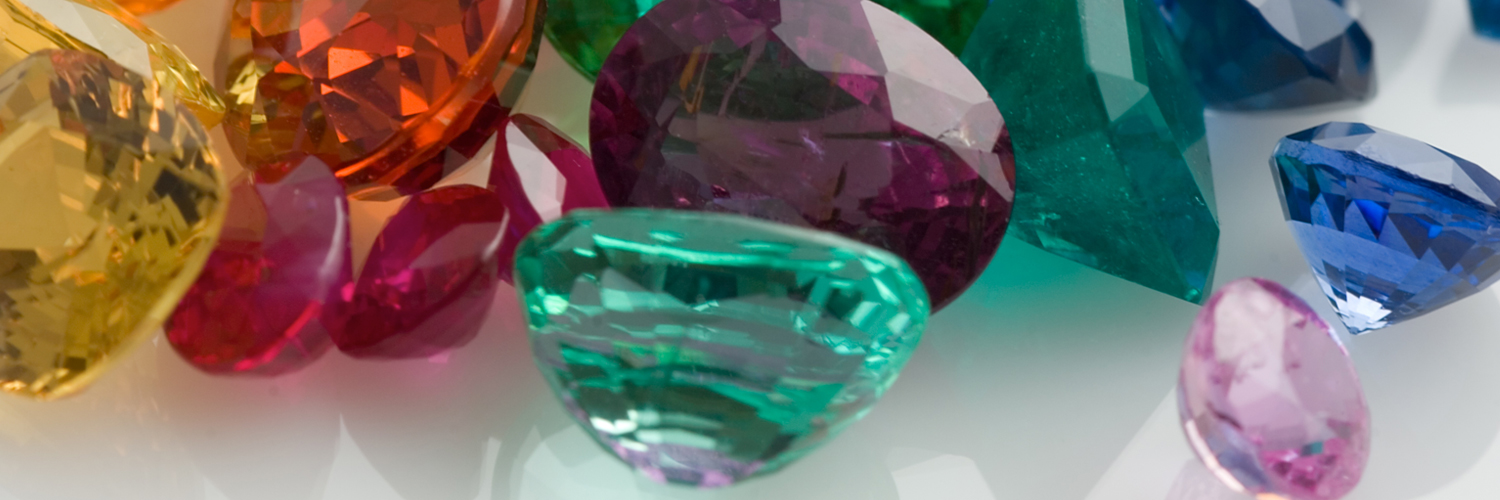
All in all, gemstones have always represented a status symbol and power, as not everyone could afford beautiful pieces and precious stones. Not only that, but jewellery with gemstones was worn and given so that the whole world could clearly see that the wearer loves and waits for someone. Regardless of whether you choose a particular stone for its symbolism or its beauty, try to find a genuine, quality gem, because the finest pieces will endure and be cherished for generations.